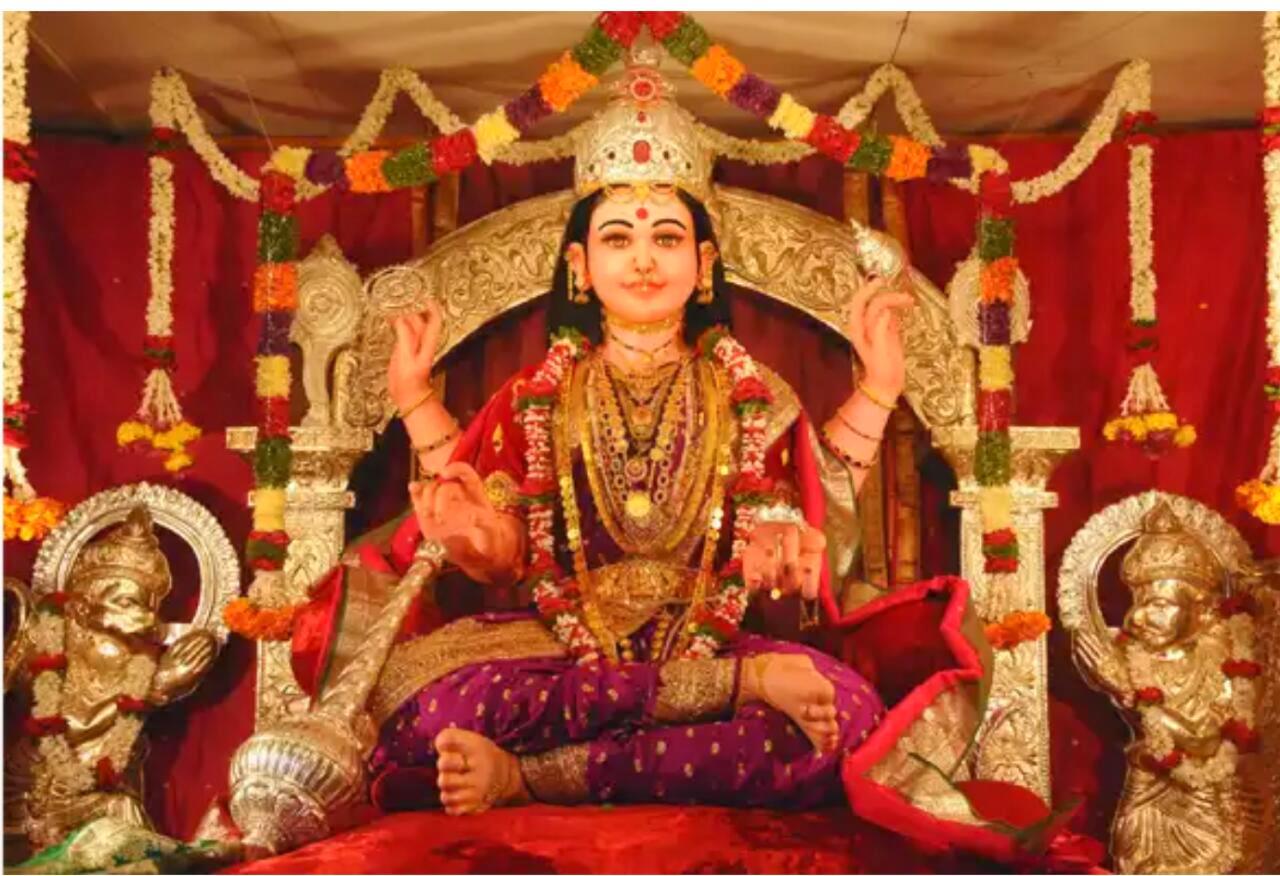
Festival Special – Navaratri

Published by

on

ย  ย  ย  ย  ย  ย  ย  ย Sarva Mangala Mangalye Shive Sarvartha Sadhike Sharannye Trembhake Devi Narayani Namostute |||
ย  ย  ย  ย  ย  ย  ย ย During the fortnight of Ashwin (during Shukla Paksha of Aashvij in Konkani).- the first nine days are celebrated as Navaratri and the tenth day as Vijayadasami symbolizing victory of positivity over negativity ! Navaratri is celebrated to invoke the Divine mother – Shakthi in three different forms for three days each . the first three days as Goddess Durga – to gain noble virtues and to destroy all evil tendencies in the mind , the following three days as Goddess Lakshmi – for the mind must be pure, concentrated, and focussed for its purification to obtain a wealth of virtues for that is our true wealth . the last three days are for Goddess – Saraswati for victory over the mind can be gained only through knowledge,and understanding , and it is Goddess Saraswati who represents this highest knowledge of the Self.On each day she is worshipped in different manifestations / avatars –
  1. Shailputri – daughter of the moutain King Himavan
  2. Brahamcharini – one who practices devout austerity
  3. Chandraghanta – she has a half moon in her forehead
  4. Kushmanda – the creator of the universe
  5. Skanda Mata – mother of Skanda or Lord Kartikeya
  6. Katyayani – daughter of sage Kata
  7. Kaalratri – destroyer of darkness and ignorance
  8. MahaGauri – radiates peace and compassion
  9. Siddhidatri – grantor of wishes to Her Bhaktas.
We GSB’s observe this festival with great devotion ! As mentioned earlier there are some slight variations in the way we celebrate in Kerala & in Karnataka . Will discuss both the ways .
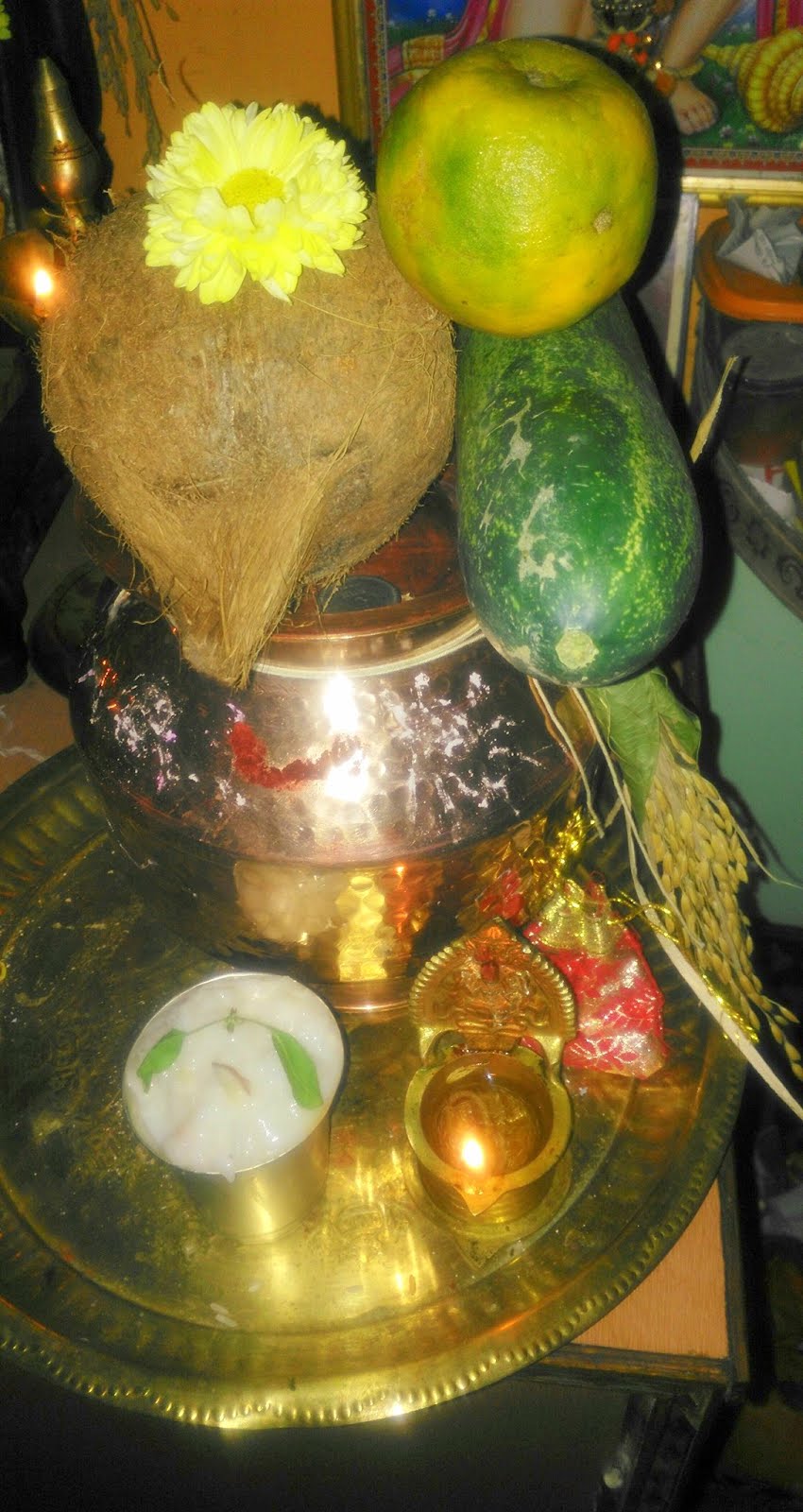
For GSB’s in Kerala on the first day called Navarathna Padvo – ย women take the ritual bath early morning . then after cleaning the puja room decorate it with flowers an light the lamps . Then the “Shreyapatra” or Sri Bhaan ย is emptied of the previous year’s rice , cleaned , decorated with mango leaves , sandalwood paste & kumkum . then at the auspicious time mentioned in the temple – it is filled with fresh raw rice , closed with a lid ย and a coconut with a tuft of fibre ( shendi ) and a ย veedo ( betel leaves with a betel nut ) is kept on it ..This is done only once in a year ..if not done on the first day – it can be done on Mahanavami day( ninth ) . For this year – 2016 ย the auspicious time is ย – 1st October morning 10:17am ย to 11: 17 am . Another small ย vessel ย filled with rice is also kept in the puja room for Saraswati Devi . Navadhanya (nine varieties of dhanya – Moong , Chevli (alsande ) , Rice , Chono , Wheat , Pigeon peas ( Toor/ thuvar ),Kulith , til & Uradย  ย ) are kept in nine small cups ( katoris ), fruits & flowers are arranged in front ย .One Dhanya each of the afore mentioned list is used to make prasads each day ! Those kept in the bowls are used to make upkaris or sweets after the festival is over . .please read more about it hereย 


In some homes ย they arrange clay dolls on a step wise manner ย in an attractive way. ย – these include dolls of various Gods & Goddess , animals , people etc,
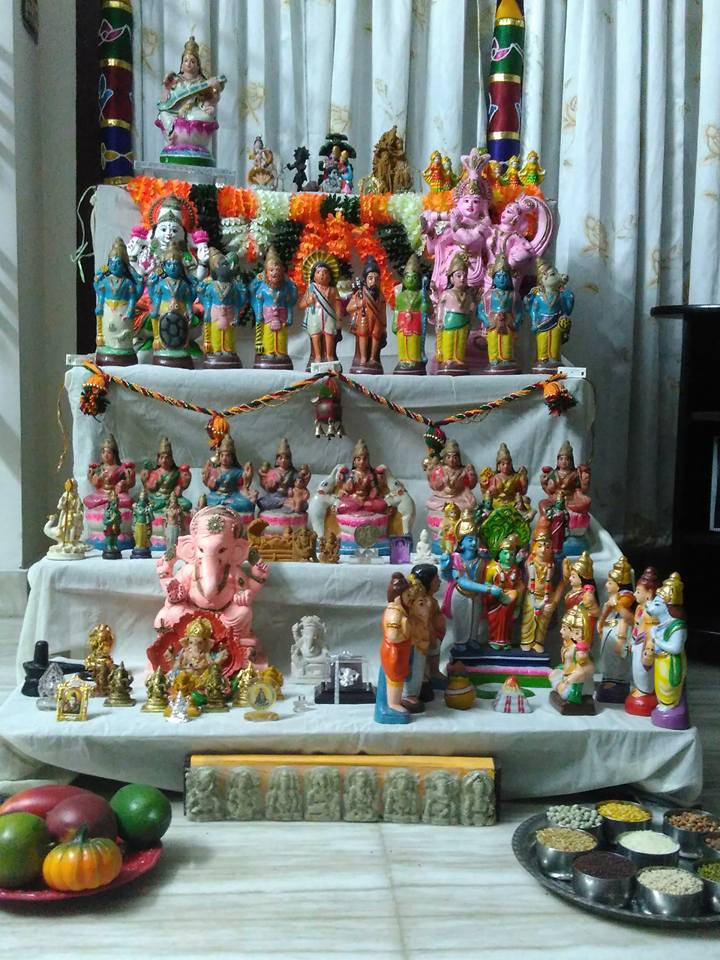
Pic courtesy –ย Saranya S Pai
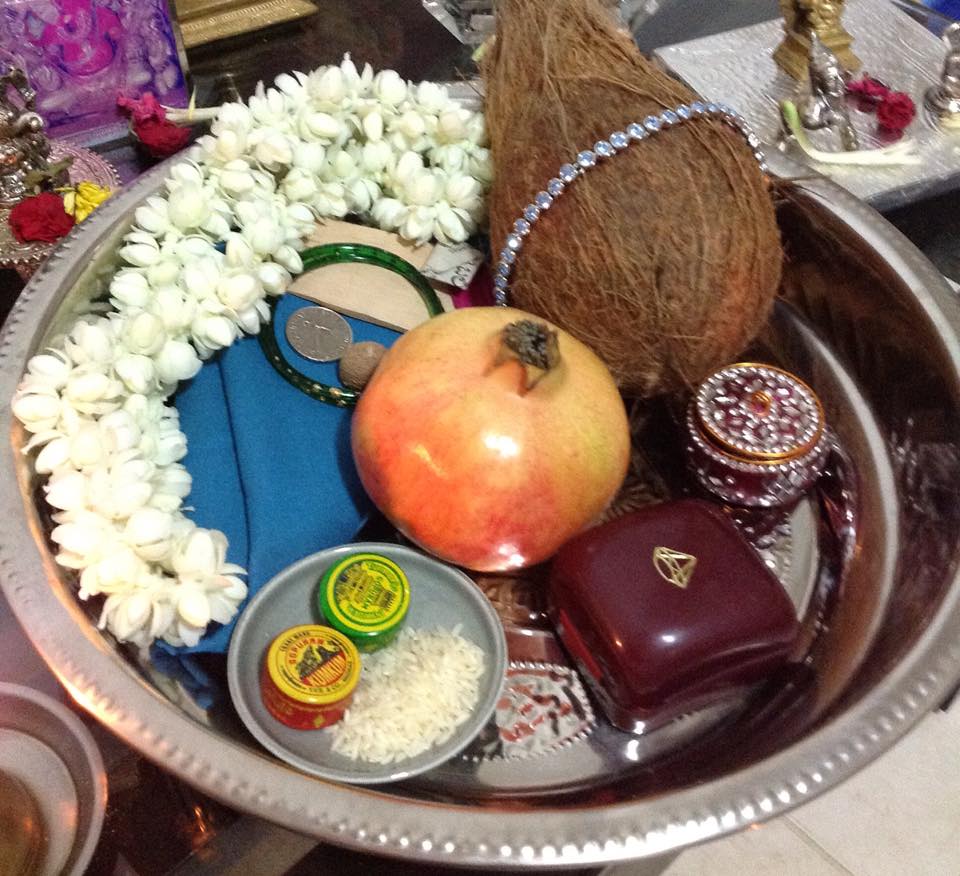
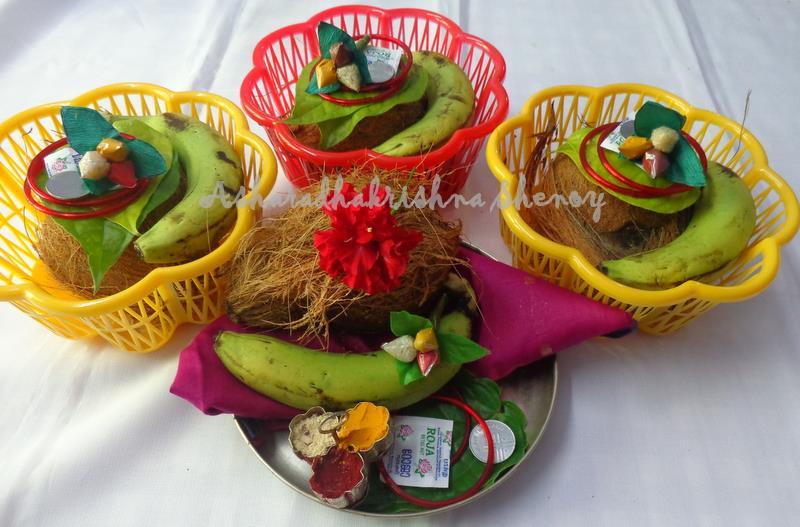
ย  ย  ย  ย  ย ย For all these nine days in all homes married women and young girls are invited to participate and sing bhajans ,then veedo with banana , haldi , kumkum , red silk thread , glass bangles , flowers , a saree or blouse piece and other fancy items too are given to all ladies . Prasad is also offered . Prasad is usually any pulses upkari for the nine days except for Shashti day when “sottu”is made . Also for Durgashtami Udida Ghari and for Mahanavami day – Chonya dali upkari is made !
pic courtesy –ย Sabitha Shenoy

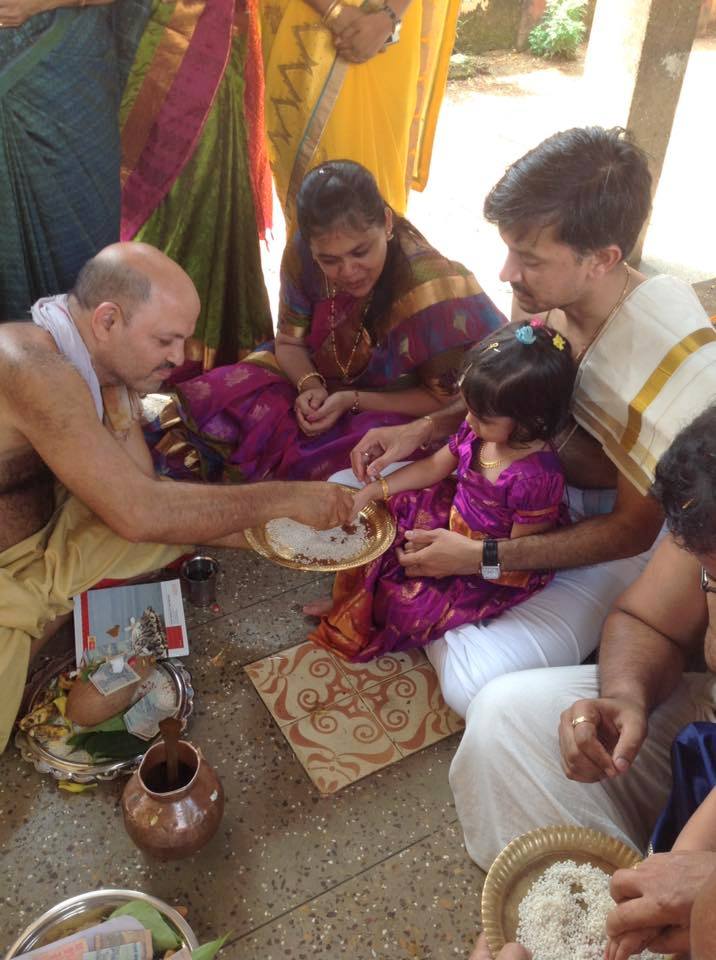
On Mahanavami day all important books including children’sย study books , ledgers , also Scriptures , Musical instruments , professional tools, household knives ย are kept in front of Goddess Saraswati and pooja performed . Some keep these in their local temples on Durgashtami day itself . Children enjoy this as till the pooja is over the next day , they are not supposed to read or write . On Vijayadasami day , pooja is performed and aarti waved to all the items kept for pooja . After which ย the small bowl of rice kept is poured on a plate ย and all write ‘Om Sri Ganapataye Namaha ” with their fingers .children are asked to read & write ย and instruments to be played , After which prasad is had . One doll is laid down to mark the end of the festivities . ย Also young children are initiated into the world of letters ย on this auspicious day – called “Vidyarambh “. they are made to sit on the lap of an elder in the family or the father or purohit ย and helped to writeย ‘Om Sri Ganapataye Namaha ” !

pic courtesy –Latha J Kamath
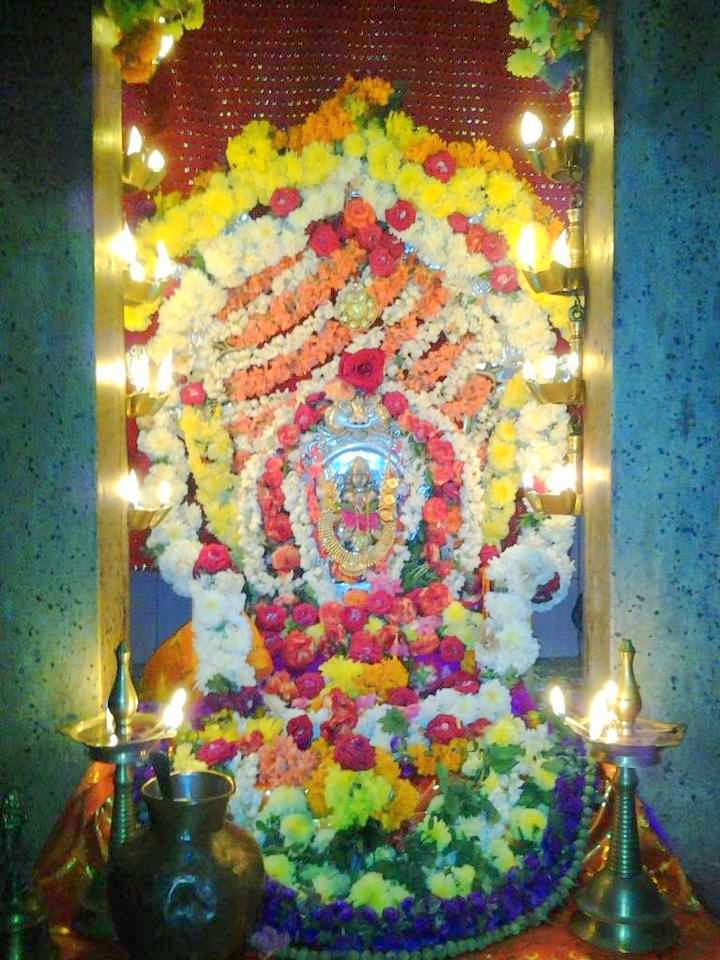
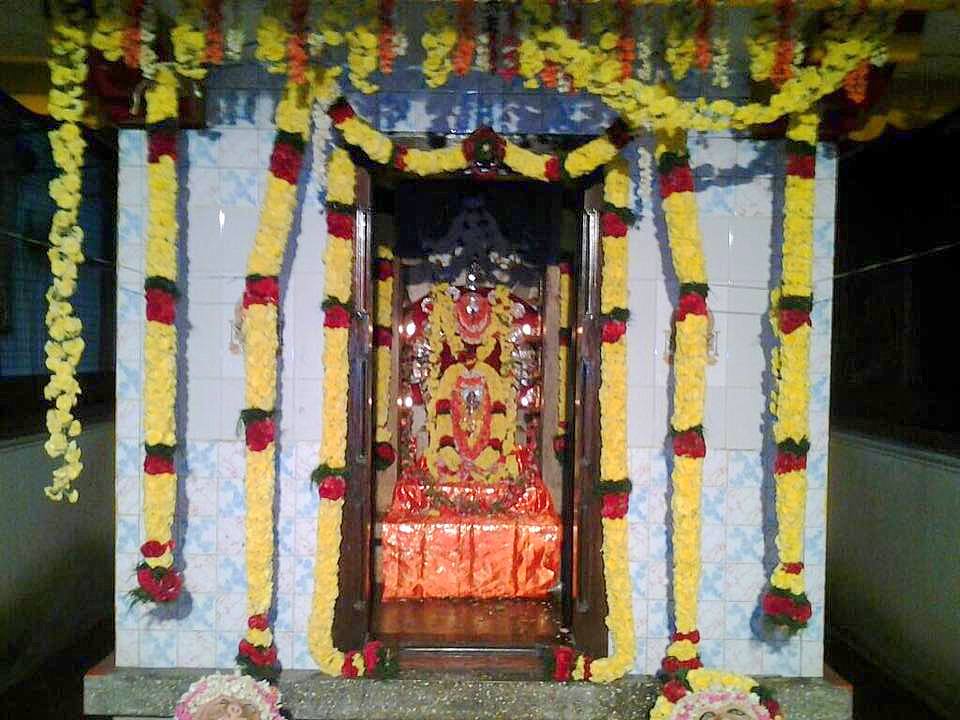
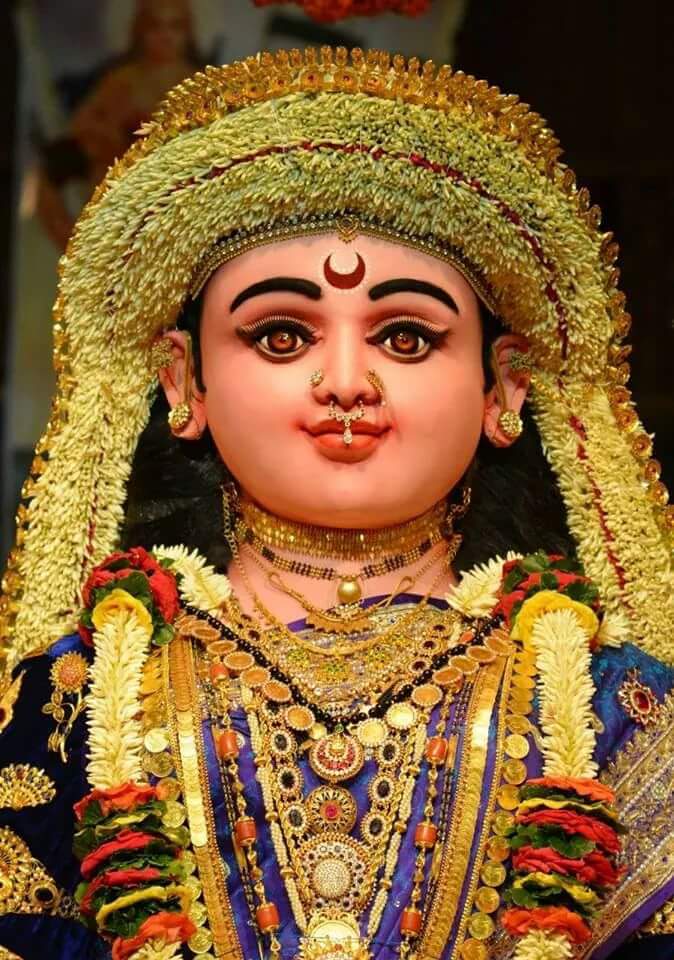
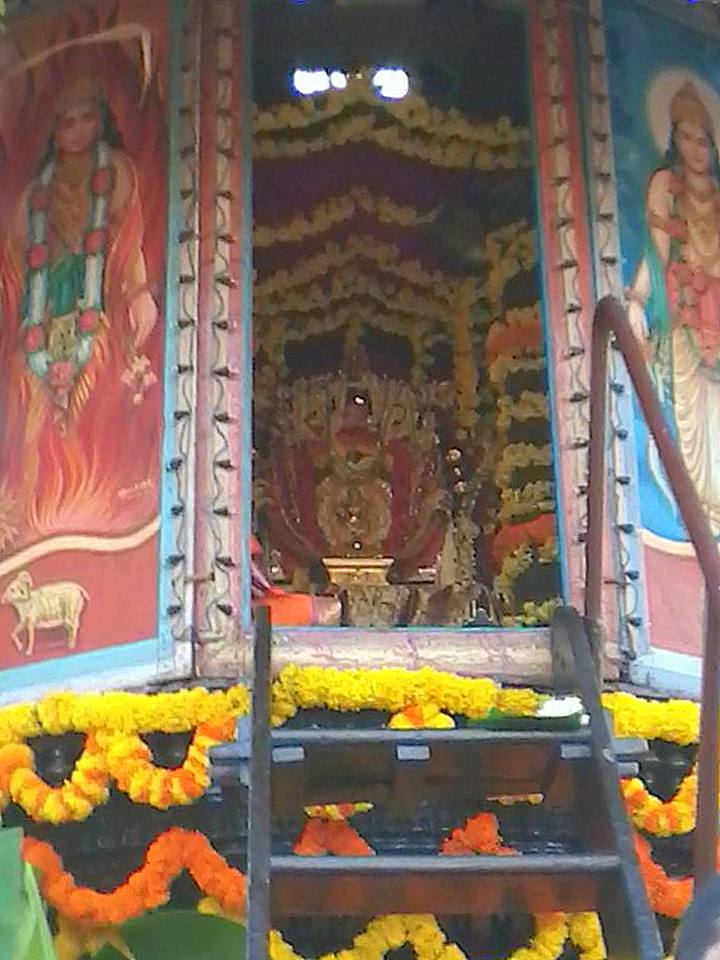
ย  ย  ย  ย  ย  In some families all the celebrations of Navaratri is done at their Kuldeva temples . the whole family members gather at the temple and witness the poojas done in the morning & evening . Daily alankaars of theย deity in different colours each day ย is done and members partake of the prasad . Also Saraswati pooja is done at their temple only .ย 
pics courtesy – ย Latha J Kamathย 
ย  ย  ย  ย  ย  ย  ย  ย GSB’s ย Cochin do have another auspicious function during Navarathri. ย It is the time of Bramhothsava of Lord ย Venkateswara at Tirupati.ย ย It is said that our elders in the past used to visit Tirupati during this time with great devotion and facing great difficulty due to lack of transport facility. To commemorate the first visit of our elders to Tirupati during Bramhothsava period, ย a religious function called โ€œ Brahmanโ€ is performed by many families in their respective ancestral ย houses. Brahman is a one day function only. The day of Brahman is on any one day of Navarathri ย as it ย is ย the day on which our elders first visited Lord Venkateswara during ย Bramhothsava period. Relatives and friends are cordially invited for this devotional function. Purohit will perform Pooja and Kanikya offered by all including invitees to Lord Venkateswara and thereafter will have feast with pancha pakva ( Godda appo , modoku , Udida ghariย ,kelya phodis , ) Allein , Elchikeris , Sukke , pickles ,tamballe puddi , pappad , dalithoy ย and such traditional foods . (recipes for all these dishes can be found in this blog )
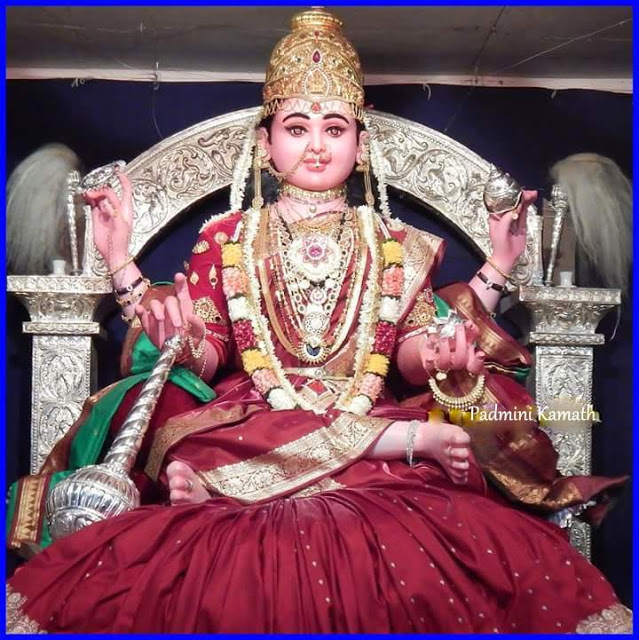
ย  ย  ย  ย  ย  ย  ย  ย Now for the festivities in Karnataka ย mainly in the Canara regions – ย some families have the tradition of celebrating Mhanami ย (as it is called here ) at home just like Ganesh Chaturthi as followed by their Ancestors and again it cannot be discontinued ย and has to be continued from one generation tor another. Depending upon the region and family traditions the celebrations differ from one family to another. Basically both In North and South Canara … the Mhanami at home is celebrated on any one of the nine days considering ย the convenience of family members.
Pic courtesy –ย Padmini Kamath
ย  ย  ย  ย  ย  ย  ย  ย  ย  ย  ย ย ย As the auspicious Navaratri starts, the “tandla madki or arasali” is cleaned and decked with flowers and religious symbols.Then the rice with husk called kanas is brought from temple (the date is as per the temple panchang) and tied to the tandla madki and the new rice from kanas(a few) is mixed with rice and used to prepare kheeri or any sweet on the day the Mhanami is celebrated. Pooja is performed and parayanas are recited either by a family priest or any elder member of the family. Immediate family members and extended family members are invited.
ย  ย  ย  ย  ย  ย  ย  ย  ย  ย  ย  ย  ย Married ย ladies are invited for ” Savasinis” and ย small girls are invited for ” Kumari Pooja ย ” .Some families conduct the rituals for all the ladies whereas some call elders in count of 5 ,7 etc and perform the rituals of Savasini only for them. The savasinis are informed earlier as they have to take ritual bath and avoid eating rice items .Even for kumari pooja the same follows.A big festive feast is prepared for the day with items like vodos,kheeri and other dishes which have been prepared by their elders.Before the lunch the ladies and girls are made to sit on a mat … the eldest couple from the family performs all the rituals… first washing and wiping the feet, the lady of the house or ladies offering haldi kumkum and flowers,along with akshath in their Vhonti and dakshina.Some keep gifts also along with honti for ladies.Girls are given only dakshina and gifts as honti is only for married women. thereafter they are given a sumptuous meal .Some pay a ย nominal amount as fixed by the temple to hold the Savasini pooja at the temple premises itself ย !
ย 
ย  ย  ย  ย  ย  ย  ย  ย  ย  ย  ย  ย  ย  ย  ย  ย  Those families who don’t have Mhanami celebrations at home perform pooja like Durga Namaskar (mainly in South Kanara) if they wish to or invite the priest for reciting the Parayanas ย for all the nine days ( not compulsory though ) ย  Even then ‘Durga Sapthashati’ ย is recited during Navratri. Each chapter is a beauty by itself, describing how the Goddess fought Mahishasura each of the nine days and there are various shlokas apart from the description like argya, tilak, kavach, stuthi which have to be read on the completion of reading each chapter .Temples too conduct various pooja and havans where the people can offer their prayers. Some GSb mandals /samaj too have samuhik poojas .Many temples especially if the presiding deity is Devi also offer many poojas and have daily alankars for the goddess in different forms of all the nine avataars as listed above .On amavasya day she is supposed to have delivered (balanti) and panak would be distributed. On friday of Navarathri she would be holding a veena. On other days she can be seen adorned on ย a cow, swan,lion or ย peacock vahanas .The idol of Goddess Sharada is worshipped (pratishta korche) in temples and many GSB halls and samaj and after a grand ย procession it is immersed on Vijayadasami day.
pic courtesy –Veena Nayak

Samoohik Divli ย pooja is also conducted. A lamp is lit ย by the purohit /bhatmam or elderly lady of the group ย and they read out Lakshmi Stotras,Namavalis and others repeat while offering flowers to the lamp. .Kumkumarchane is also done. Some invite friends home to read lalitha sahasranama,lakshmi sahasranam etc. Few light ghee lamps during navarathri at home and prepare only saatvik food for all the 9 days.In some parts the custom of keeping bomma kolu is also ย followed and various types of dhanya upkaris is prepared ย everyday to be ย distributed to all .

There is a custom of Vidyaarambh (ย also called “Aksharabhyasa )ย in many temples or kuldevta temples where a special pooja isย performedย on any one of nine days or as per the date informed by the ย templeย committee ,The tiny tots in the family are made to write on rice and blessings seeked from the deity and the priests..This is the first stepย towardsย his/her education and then the kids are admitted to schools or playschools.

In most homes on Mahanavami day – childrens books ,business ledgers and other articles are kept and ย Saraswati pooja performed. Weapons and vehicles are also decked with flowers and offered ย pooja.

On Vijaya dashmi day ย new rice and ย sheaves of paddy which is got from the ย temple is brought home and ย kept ย near ย the tulsi ย plant , aarti is waved and the ย senior ย male of the family keeps it on his head and brings it inside ย the house .This then is tied along with a mango leaf and a jack fruit leaf and tied to entrance of house, deva mantapa, almirah , ย to the kheeri vessel to be used on that day,and to the copper bhann kept in deva kood ( pooja room),the new rice from the temple is ย used in rice and kheer prepared for the feast on that day along with Ghashi, valval, sasam ,phodi, cheppi kheeri,paysu, thousaliย  (recipes for all these dishes can be found in this blog ). This Nave jevan or Navanna means using of seasons first crop of ย vegetables ย like thoushe,maddi,yam etc .This jevan is also traditionally done according to their kuldevu day ย – for example for mahalasa narayani it is shashti, ย In south kanara many families celebrate together in their ancestral house .The Devi ‘Durga Sapthashati is read on Navrathri days and last day a mangal pooja is performed, ย inviting ย ladies and giving them kumkum with veedo or vonti. In ย Mangalore,udupi side Goddess Saraswati moorti is brought on moola nakshatra and pratishtha is performed keeping the idol for 5 days. Chandika havan ,akshrabhyas ,tulabhaar are ย performed at the devasthanams ,On Shravan nakshatraย ย the vigraha is taken on grand procession and then immersed in temple lake.

pic courtesy –Veena Nayak
ย  ย  ย  ย  ย  ย  ย In the evening apta leaves or Shami Vriksha leaves are exchanged between friends and relatives wishing them prosperity .Those who were unable to perform Vayana or Ganesh poojas ย can observe tritiya and Chathurthi during Navaratri .
From Vijayadashami onwards in all GSB temples irrespective of Cochin and Mangaloreย โ€œPashchim Jagoru” Or “Hari Jagara Pujaโ€ begins. Because ย Lord Vishnu ย isย believedย to live in Thulasi from ย that day onwards ย till thulasi ย puja or Utthana Duvadashi.
ย  ย  ย  ย  ย  ย  ย  ย  ย  ย Here is an example of Nava jevan / Navanna withย Thousali, thoushe sasam, tendle bibbe upkari, valval,chana+kook soyi bhajjile ghashi,cheppi kheeri, phova kheeri, sheeth, dalitoy, bajo. all these recipes can be found in this blog .
ย  ย  ย  ย  ย  ย  ย  ย  ย  ย  ย  ย  ย  ย  ย This post has been compiled by me because of the invaluable inputs of my group members –ย Jayashri Shenoyย ,ย Padmini Kamathย  ,Sandhya Puranikย ,ย Shobha Kumarย ,ย Asha Radhakrishna Shenoyย ,ย Asha Kamathย ,ย ,ย ย Veena Nayakย ย ,ย Jahnavi Prabhuย &ย Latha J Kamathย . Heartfeltย thanks to you all for making this post possible to reach out to many of our brethren and for the future generation to come .
Note –
The Navdhanya can be any of the following legumes –ย Brown cow peas/black eyed pea ย , ,White black eyed pea ย ,ย Brown channa ย ,Green gram ย ,ย Bengal gram ย ,White or ย Green peas ย ,ย White channa ย ,ย Peanuts ย ,ย Horse gram ย , Rajma ย , Black Urad ย etc .Also rice , wheat , til to be kept !

Bhaan Bhorche

As per request of many adding here the Bhaan bhorche ritual .. have added as a separate post – https://kkaj.in/2020/10/21/shri-bhaan-bhorche-veedhi/,

16 responses to “Festival Special – Navaratri”

  1. Asharadhakrishna Shenoy avatar

    wow.very well compiled.can feel the divinity through reading this article.Thanks for your initiative for compiling each n every details.Hope this would be very much useful to our future generations.

    Like

  2. priya r shenoy avatar

    wah …sooo well explained covering all the facts,traditions and rituals…. thnks a lot for your sincere efforts to prepare this..thnks a lot to all the bloggers and friends who contributed so valuable information.

    Like

  3. Unknown avatar

    Very beautifully compiled with detailed information very devine thanks a lot

    Like

  4. Usha Bhat avatar

    thanks dear ๐Ÿ™‚

    Like

  5. Usha Bhat avatar

    thanks dear ๐Ÿ™‚

    Like

  6. Usha Bhat avatar

    thank you dear ๐Ÿ™‚

    Like

  7. Jayashri Shenoy avatar

    Usha……..this is a wonderful piece of work. By this you have made an attempt to link all the GSBs all over. The beauty is that it may be south or north they are basically one. Once again hats off to you.

    Like

  8. Usha Bhat avatar

    woowoww ..reallyyyy honoured akka …all because of ur help & blessings ๐Ÿ™‚

    Like

  9. Binds avatar

    Ushakka, I was reading this now. One suggestion is to list out the navadhanyas that we keep in front of the god, I think it differs from the ones used for navagraha pooja. Very well written article.

    Like

  10. Usha Bhat avatar

    Thanks for the suggestion..will add the names

    Like

  11. Pujan Shop avatar

    Thanks for sharing nice information. Know more about navratri special and navratri special pujan items information, by click on the given link.

    Like

  12. gruhkhoj avatar

    This is incredible posting! I quite enjoyed reading it, I will remember to bookmark your blog and will eventually come back very soon Belgaum Property

    Like

  13. Usha Bhat avatar

    Thank you !

    Like

  14. Pritam Sharma avatar

    Interesting and nice post on Navratri for more information on Navrati Products

    Like

  15. Anjali avatar
    Anjali

    Happy Navaratri๐Ÿ™Good blog. A small correction. It’s not Bhaan. Bhaan is kept in bathroom filled with water for bath..The container which we keep rice is called Tandla madki๐Ÿ’•

    Like

    1. ushabhat avatar
      ushabhat

      Please read this post too = https://kkaj.in/2020/10/21/shri-bhaan-bhorche-veedhi/ ๐Ÿ™..The Bhaan or Shreya patra is what Konkanis from Kerala call it ,,Tandla Madki & Bhaan is what Konkanis from Mangalore side call the Shreya Patra & The bathroom utensil respectively ..Even though both are Konkanis .. a lot of words are different and have different meaning . While authentic konkani cuisine of Kerala has only vegetarian food ..traditional Mangalorean Konkani cuisine includes nonveg too ! hope this clears your doubt ..

      Like

Leave a Reply

Previous Post
Next Post